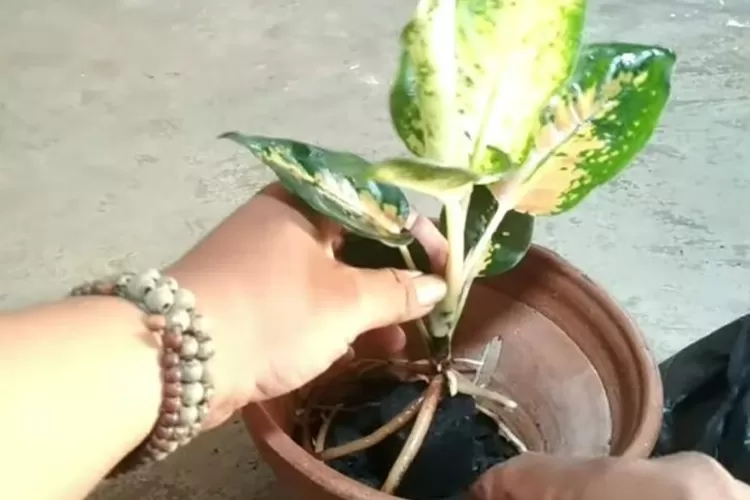
How charcoal helps plants — Gardening enthusiasts and plant lovers are constantly looking for natural and sustainable ways to improve plant health and growth. One green and effective solution that many gardeners are adopting is charcoal. Charcoal for Healthy Plants serves as a powerful natural growth booster by enhancing soil quality, improving water retention and promoting beneficial microbial activity in the root zone.
Additionally charcoal helps detoxify the soil by absorbing harmful substances, balances soil pH and improves aeration around the roots. This multifaceted approach creates an ideal environment for plants to thrive. You can find more details here.
What is Charcoal and How Does it Benefit Plants?
Charcoal forms as a lightweight, black carbon substance when wood or other organic materials are burned in an oxygen-free environment. Unlike regular soil amendments charcoal has unique properties that help plants thrive. Its porous structure improves soil aeration by allowing better airflow around the roots.
Additionally, charcoal enhances nutrient retention by absorbing excess nutrients and releasing them slowly over time, ensuring a steady supply for plant growth. It also increases the soil’s ability to hold moisture without becoming waterlogged, which helps maintain a balanced moisture level. Moreover charcoal promotes the growth of beneficial microbes on its surface, which further supports nutrient absorption and overall plant health.
How to Use Charcoal for Healthy Plants?
To get the best results from charcoal, it’s important to use it correctly. Follow these simple steps:
Preparing Charcoal for Plant Use
-
Use natural, untreated charcoal. Avoid charcoal with chemical additives.
-
Crush the charcoal into small pieces or powder for easier mixing.
-
Mix charcoal with soil at a ratio of about 10-20% by volume.
Application Tips
-
Add charcoal to potting mixes for indoor plants.
-
Mix charcoal into garden beds before planting.
-
Use charcoal as a top dressing around established plants to improve soil quality.
Additional Benefits of Using Charcoal
Beyond the basic benefits, using charcoal regularly in gardening provides long-term positive effects for both plants and the environment:
-
Cleanses growing medium: Charcoal has the ability to absorb pesticide residues and other harmful chemicals present in the soil, helping to detoxify and purify the growing environment for plants.
-
Neutralizes extreme pH: In overly acidic soils charcoal helps balance pH levels to better suit most plant types.
-
Boosts plant resilience: Plants grown in charcoal-enriched soil tend to be more resistant to common root diseases and harmful pathogens.
-
Supports sustainable ecosystems: Since it’s derived from natural materials and often made from organic waste, charcoal is eco-friendly and can be recycled within planting cycles.
Conclusion
Charcoal is a powerful natural growth booster for healthy plants. Its special characteristics help enhance soil texture, increase the retention of nutrients and moisture and promote the growth of beneficial microorganisms. These benefits work together to create an ideal growing environment that helps plants absorb essential nutrients more effectively.
By incorporating charcoal into your gardening routine, you can create a healthier environment for your plants, leading to stronger growth and better yields. Using charcoal not only benefits your plants but also promotes sustainable and eco-friendly gardening practices that are good for the environment.