As global demand for high-quality charcoal continues to rise, many buyers ask an important question: coconut shell charcoal vs original charcoal what’s the difference? Understanding the distinction is essential for importers, restaurant owners, and shisha lounge operators who rely on consistent heat performance and product reliability.
In this article, we will compare coconut shell charcoal with traditional or “original” wood charcoal, examine their key differences, and help you decide which option best fits your business needs.
What Is Coconut Shell Charcoal?
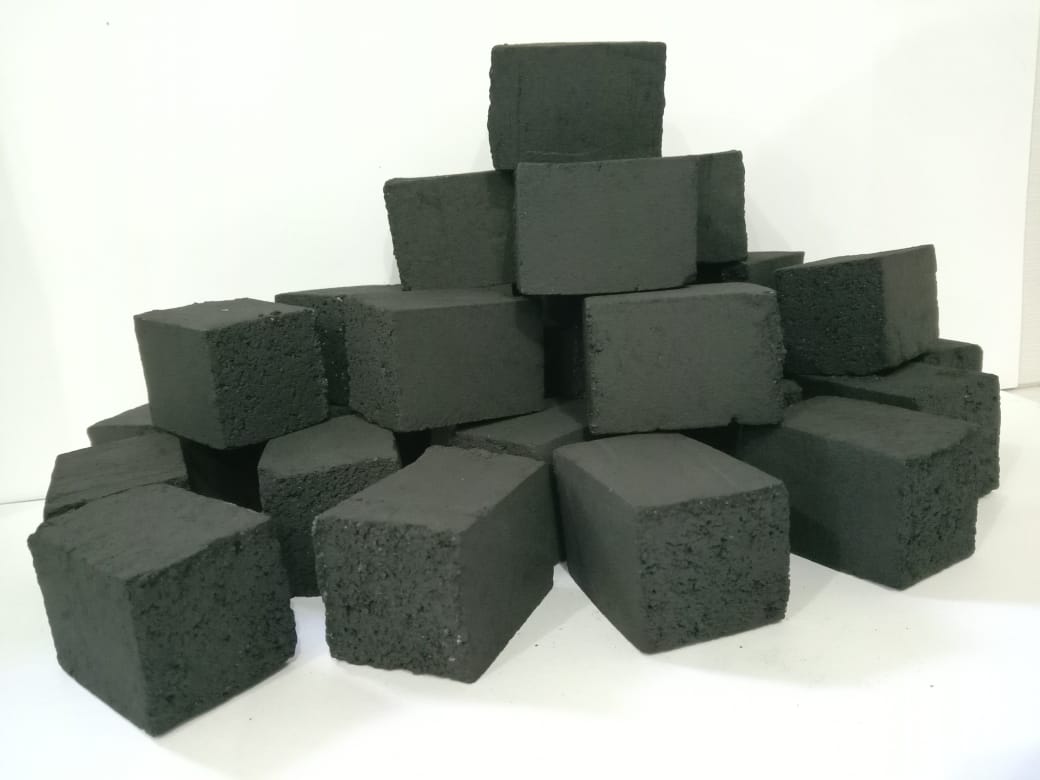
Coconut shell charcoal is produced from mature coconut shells that undergo a controlled carbonization process in a low-oxygen environment. The result is a dense, high-carbon charcoal known for its long burn time, minimal smoke, and low ash content.
It is commonly compressed into briquettes for uniform size and consistent performance. Many international buyers prefer sourcing from professional coconut shell charcoal briquettes suppliers to ensure stable quality, proper moisture levels, and export-grade standards.
Because it uses coconut shell waste as raw material, this type of charcoal is also considered environmentally friendly and sustainable.
What Is “Original” Charcoal?
The term “original charcoal” typically refers to traditional hardwood charcoal made from natural wood logs. This charcoal has been used for centuries in grilling and cooking. It produces strong heat and a distinct smoky aroma that some chefs prefer for certain dishes.
However, traditional charcoal can vary significantly in quality depending on the type of wood used and the production process. It may produce more smoke, inconsistent heat, and higher ash levels compared to coconut shell charcoal.
Key Differences Between Coconut Shell Charcoal and Original Charcoal
1. Burn Time and Heat Stability
Coconut shell charcoal is denser than most hardwood charcoal, allowing it to burn longer and maintain stable heat. This makes it ideal for professional BBQ restaurants and shisha lounges that require extended burning sessions.
Original charcoal may burn faster and require more frequent refueling, which can increase operational costs over time.
2. Smoke and Ash Production
One of the main advantages of coconut shell charcoal is its clean-burning characteristic. It produces minimal smoke and very low ash residue.
In contrast, traditional charcoal often generates more smoke and leaves behind more ash, which may require additional cleaning and ventilation.
3. Environmental Impact
Coconut shell charcoal is made from agricultural byproducts, meaning it does not contribute to deforestation. This sustainable sourcing is highly valued in international markets.
Original wood charcoal, depending on sourcing practices, may involve tree cutting, which raises environmental concerns if not managed responsibly.
4. Consistency and Quality Control
When purchasing from reputable coconut shell charcoal briquettes suppliers, buyers receive uniform shapes, consistent density, and verified quality standards. This reliability is especially important for bulk importers and private-label brands.
Traditional charcoal pieces are often irregular in size and shape, which can affect heat distribution and packaging efficiency.
Which One Should You Choose?
The choice between coconut shell charcoal vs original charcoal depends on your priorities. If you value long burn time, low ash, consistent heat, and sustainable sourcing, coconut shell charcoal is typically the superior option.
For businesses focused on premium shisha experiences or high-volume BBQ operations, coconut shell charcoal provides efficiency and reliability that supports long-term growth.
Ready to Choose Premium Quality?
If you are looking for dependable coconut shell charcoal briquettes suppliers with export-grade standards, now is the time to make the right decision.
Click the link giamydigital.com below to explore our premium coconut shell charcoal products and secure a reliable long-term supply for your business today.
Choosing the right charcoal is not just about heat it’s about performance, sustainability, and building a trusted partnership for the future.