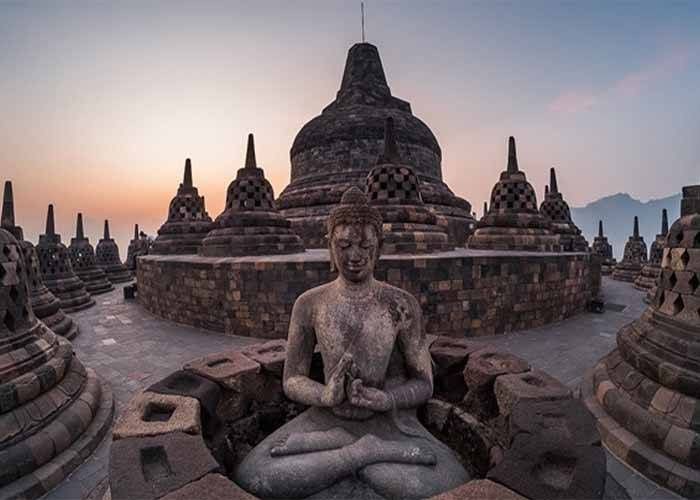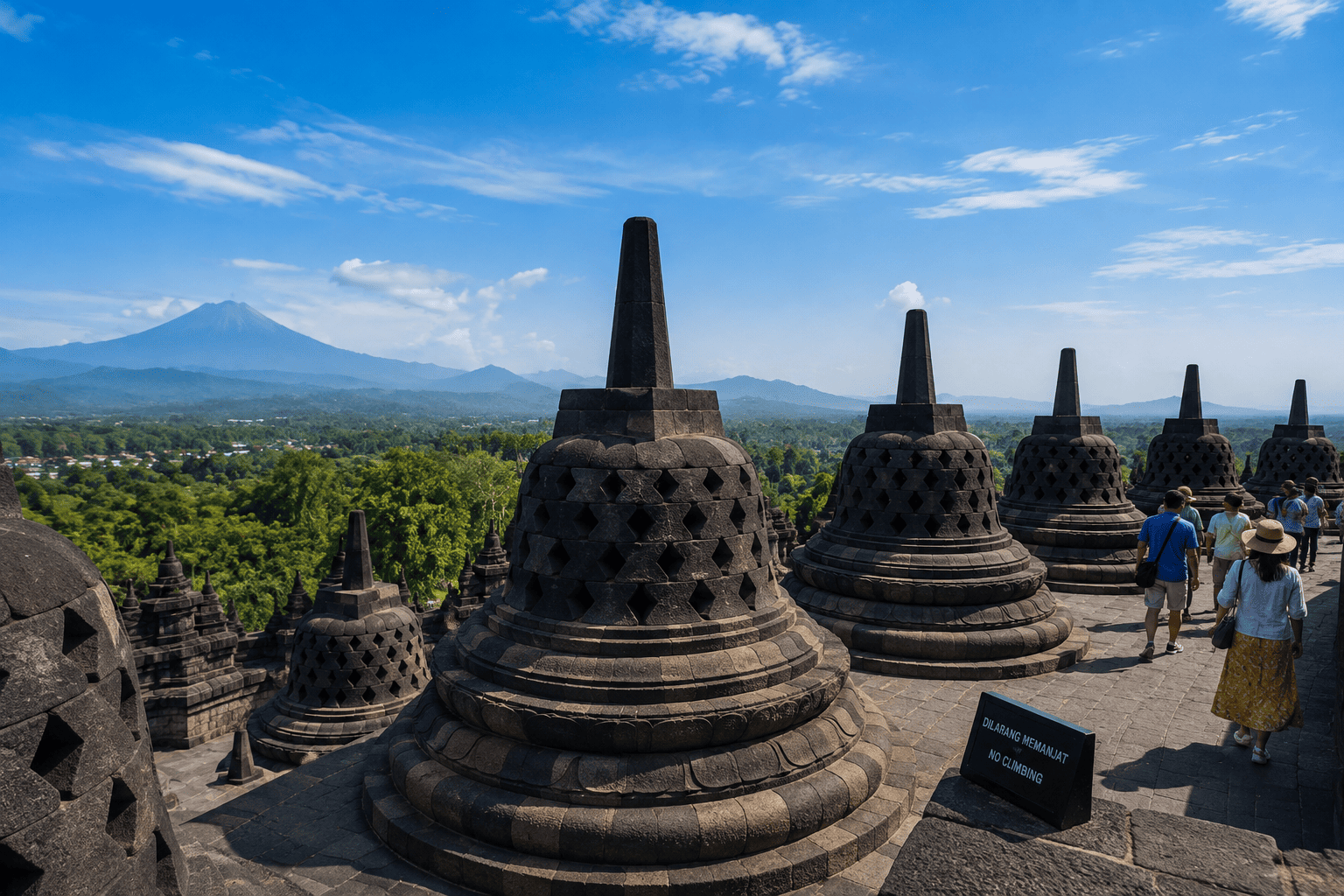
The dry season is one of the most popular times to explore Borobudur and the surrounding area. This Borobudur Dry Season Guide explains the weather, crowd levels, clothing, photography conditions, and practical planning tips. With the right schedule, you can enjoy clearer skies and more comfortable outdoor activities.
When Is the Dry Season at Borobudur?
Indonesia generally experiences its dry season from April to October, including most parts of Java. Borobudur follows a similar pattern, although weather can still change from day to day.
Rainfall usually decreases during these months. Travelers often get more opportunities for clear views around the temple, Menoreh Hills, and nearby mountains. However, occasional showers can still happen, especially during transition periods.
July and August often attract more visitors because they coincide with popular holiday periods. If you prefer a quieter experience, consider visiting during April, May, September, or October.
Is Dry Season the Best Time to Visit?
Dry weather makes outdoor exploration easier. Visitors can walk through the temple grounds, explore the structure, and visit nearby attractions with fewer weather interruptions.
Clearer mornings can also improve visibility for landscape photography. Sunrise experiences may offer better chances of open skies, although no season can guarantee perfect sunrise conditions.
Before choosing your date, read our best time to visit Borobudur guide. It compares dry and rainy seasons, crowd patterns, sunrise conditions, and other travel factors throughout the year.
What Should You Wear?
Choose lightweight and breathable clothing for daytime visits. Temperatures can feel warm after the sun rises, especially around open areas.
Bring a hat, sunglasses, and sun protection. A reusable water bottle can also help you stay comfortable during outdoor activities.
Do not forget a light rain layer. Even during dry season, tropical weather can change quickly. Travelers who start before dawn may also want a light jacket.
Visitors who climb the temple structure use special Upanat sandals as part of the official access experience. Wear shoes that you can remove easily before changing into the provided footwear.
What Time Should You Visit?
Morning visits work well during dry season. The temperature often feels more comfortable before midday, and early light can create attractive photography conditions.
Arrive early if your ticket includes a scheduled structure session. Give yourself enough time for transport, ticket checks, and preparation.
Weekdays usually provide a calmer experience than busy weekends or national holidays. If you travel during July or August, book your preferred temple session earlier.
Plan a Dry Season Itinerary
Dry conditions make it easier to combine Borobudur with other outdoor attractions. You can add Prambanan, Mount Merapi, Mendut, Pawon, or local villages to a full-day itinerary.
A private Borobudur tour can simplify hotel pickup, transportation, temple arrangements, and additional stops. Private transport also gives you more flexibility when you want to start early or visit several places.
Keep your itinerary realistic. Hot afternoon conditions can make a packed schedule tiring. Allow time for meals, rest, and travel between destinations.
Conclusion
This Borobudur Dry Season Guide shows why April to October remains a popular period for visiting the temple. Lower rainfall can support clearer views, outdoor activities, and easier day-trip planning.
Prepare for sunshine, book early during peak months, and keep some flexibility for changing weather. With a practical schedule, the dry season can offer an excellent Borobudur experience.